
ADHD Strengths: Why Finding What's Right Matters More Than Fixing What's Wrong
Dec 19, 2025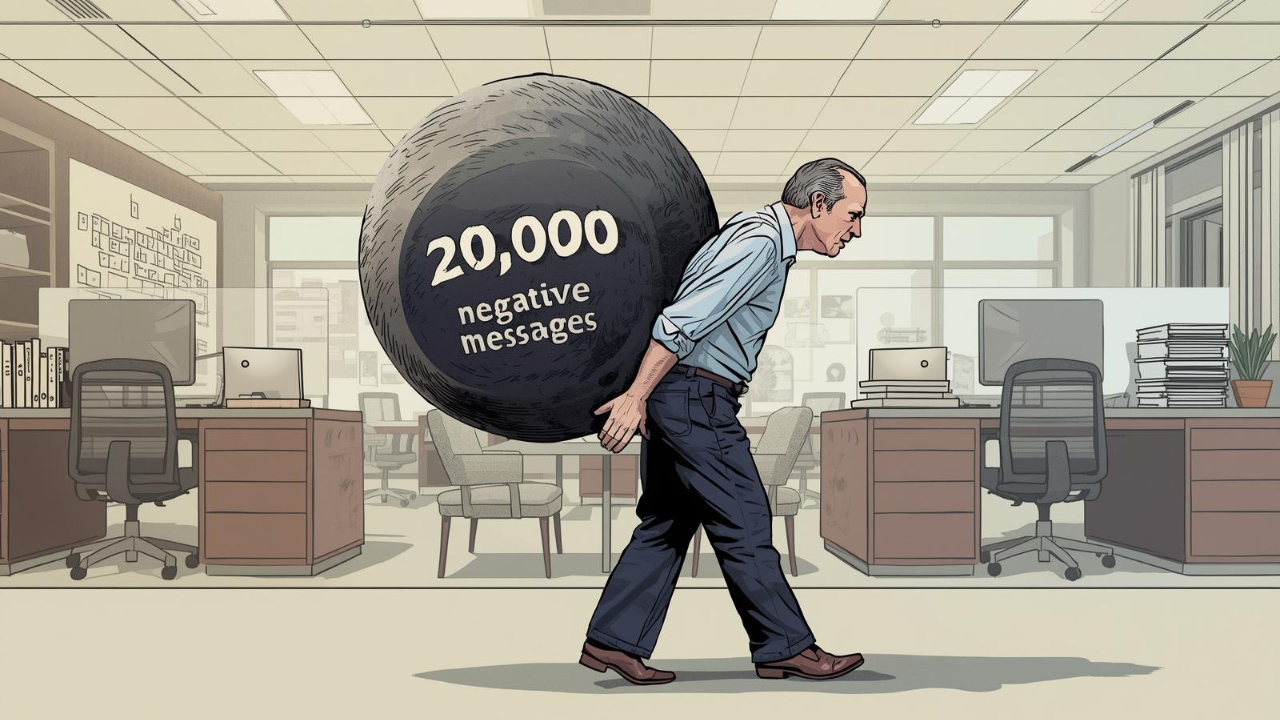
ADHD Strengths: Why Finding What's Right Matters More Than Fixing What's Wrong
*A brain-based approach for men over 40 with ADHD*
The Weight of 20,000 Negative Messages
By the age of 12, kids with ADHD have received 20,000 more negative messages than their neurotypical peers. (And no—that’s not a scare tactic. If anything, it undercounts what happens at home.)
That number is staggering. And for those of us who were diagnosed at 40, 50, or later, you can do the math on how many negative messages we've absorbed over a lifetime.
For many men with ADHD, those years of negativity create a deep-seated belief that we're fundamentally broken. But what if the real problem isn't that we're broken—it's that we've been looking for solutions in all the wrong places?
If you’re reading this and feeling an uncomfortable sense of recognition, that’s not a coincidence. Men who make it to midlife with ADHD tend to recognize themselves in these patterns long before they ever ask for help.
The Deficit Trap: How We Learned to See Ourselves as the Problem
Throughout our lives, we've heard what's wrong with us:
- In performance reviews at work
- During family meetings
- Through relationship conflicts
- In media portrayals of ADHD
But we didn't just hear these messages—we absorbed them until they sounded like our own voice.
“I'm lazy. I'm unreliable. I can't finish anything.” I believed all of this. For a long time.
After decades of being told to "try harder," many of us stop trying altogether.
For those of us with late-diagnosed ADHD, the impact runs even deeper. We built our entire self-concept around being broken before we even knew we had ADHD. We spent decades wondering what was fundamentally wrong with us, never realizing our brains were simply wired differently.
What the Research Actually Shows About ADHD Strengths
Fortunately, there's substantial research on the power of ADHD strengths and strengths-based approaches for adults.
Study after study demonstrates that focusing on ADHD strengths improves:
-
Resilience in facing life's challenges
-
Self-esteem and self-acceptance
-
Real-world outcomes in work and relationships
This surprised me when I first encountered it. It ran completely counter to everything I’d been taught.
But here's the catch: you have to know what your strengths are. Most men don’t figure this out on their own—not because they’re incapable, but because they’ve spent decades being trained to look in the wrong direction.
After a lifetime of negativity, many men with ADHD can't even name three things they're genuinely good at. This deficit-focused lens becomes the only way we see ourselves.
Why ADHD strengths matter even more in midlife
Our challenges grow with ADHD in midlife when our lives become increasingly complex:
-
Career transitions and professional challenges
-
Relationship dynamics with partners and growing children
-
Aging parents requiring care and support
-
Health concerns that demand attention
And of course, you're not granted extra time or energy to deal with any of this. We need resilience more than ever. Yet we're trying to build it by only knowing what we can't do, rather than leveraging what we can.
The Six Core ADHD Strengths Identified by Research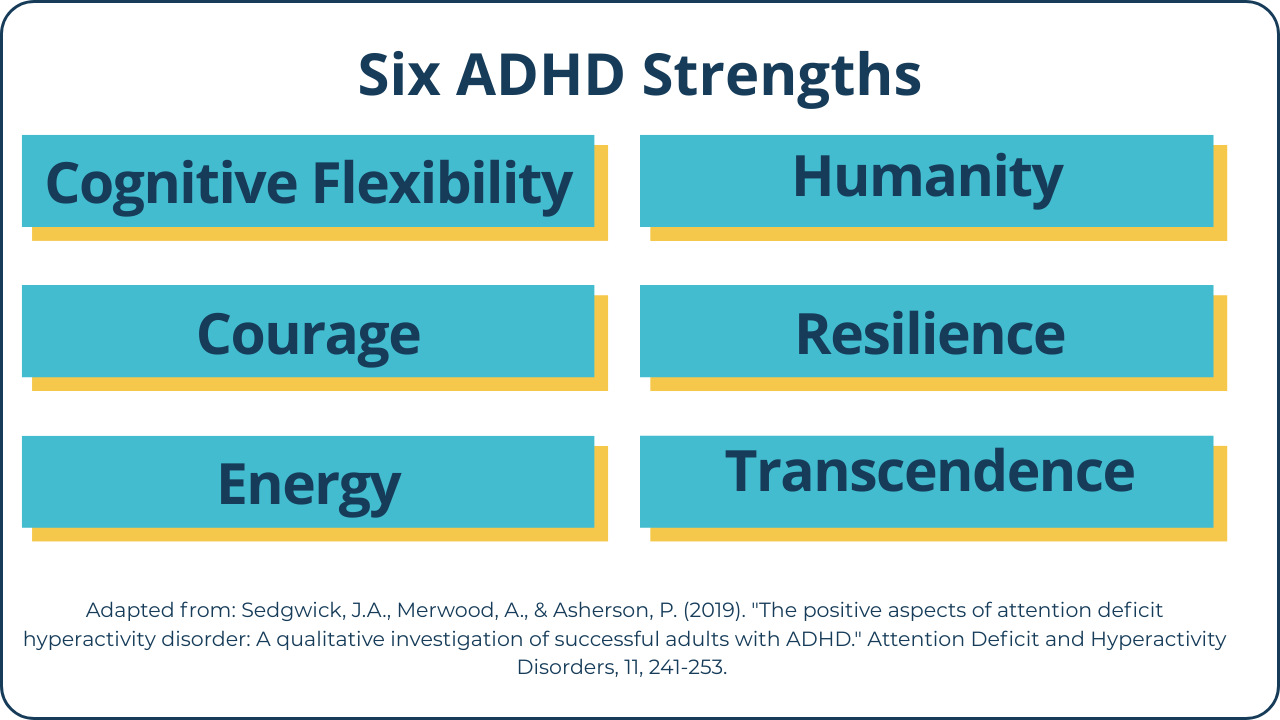
A 2019 study published in Attention Deficit and Hyperactivity Disorders identified six core strengths consistently present in adults with ADHD. These aren't theoretical—they're real capabilities you already possess. (This is usually where someone says, “Yeah, but…”—hang with me.)
ADHD strengths include creative thinking and cognitive flexibility
What looks like distractibility from the outside is actually something far more valuable: flexibility, creativity, curiosity, and the ability to hyperfocus intensely when genuinely engaged.
Men with ADHD often:
-
Make unexpected connections between ideas
-
Think divergently and find unconventional solutions
-
Dive deep into topics that capture their interest
-
See patterns and possibilities others miss
Where ADHD strengths actually show up in relationships and work
What appears as impulsivity is often a willingness to take risks and try new things. This ADHD strength manifests as:
-
Being adventurous and willing to explore
-
Taking calculated risks in business and life
-
Starting new ventures when others hesitate
-
Embracing change rather than fearing it
Creative thinking and resilience: how ADHD strengths show up at work
Yes, we can be physically and cognitively hyperactive—but that's a strength, not just a challenge. This ADHD strength provides:
-
Drive and motivation for important work
-
Capacity for intense, focused effort
-
Ability to accomplish more in shorter bursts
-
Stamina for projects that matter
Courage, empathy, and humor: hidden ADHD strengths you already have
Over and over, adults with ADHD identify these interpersonal ADHD strengths:
-
Deep empathy for others' experiences
-
Humor that connects and lightens difficult moments
-
Optimism even in challenging circumstances
-
Accepting others (and eventually, ourselves) as they are
The resilience strength: ADHD men who've faced adversity and adapted
You've already proven this ADHD strength simply by making it to midlife with undiagnosed or undertreated ADHD. Resilience includes:
-
Toughness in facing repeated setbacks
-
Ability to recover from failures
-
Persistence despite obstacles
-
Learning to adapt and find workarounds
Transcendence: ADHD strengths that help you see the big picture
This means the ability to appreciate beauty, excellence, and meaning—to see the bigger picture beyond immediate details. Men with this ADHD strength often:
-
Find deep meaning in their work and relationships
-
Appreciate craftsmanship and excellence
-
Think about purpose and legacy
-
Connect daily tasks to larger goals
The great news: These aren't aspirational traits you need to develop. Each of us already has an abundance of these ADHD strengths in different combinations.
From Deficit to Strength: The Practical Application
So how do you actually use your ADHD strengths? It starts with shifting one crucial question:
Stop asking: "What's wrong with me that I need to fix?"
Start asking: "What do I do well, and how can I use THAT to address my challenges?"
This isn't just feel-good positive thinking. This is strategic use of your actual capabilities to work around limitations. This shift—from fixing weaknesses to designing around strengths—is exactly what we work on in ADHD coaching. Not theory. Not motivation. Practical redesign of how your life actually works.
Real-World Example: Dave's Story
Let me share a quick example from one of my coaching clients—we'll call him Dave.
The Challenge
Dave is a technology consultant who conducts system assessments and provides detailed reports with recommendations. Despite his expertise, Dave consistently procrastinated until the last minute.
The Strengths-Based Solution
When we evaluated Dave's ADHD strengths, he identified that he's excellent at building relationships through humor and empathy. This is a core humanity strength—one of those six identified in the research.
Rather than trying to "fix" his procrastination through willpower or time management tricks, Dave used his relational strength to redesign his process.
The Results
This strengths-based approach created multiple wins:
-
The reports became stronger with client input
-
Clients felt more comfortable presenting findings
-
Dave's anxiety decreased
-
He naturally started projects earlier
Dave didn't try to FIX his procrastination. He focused on what he's good at and rode that energy to a better way of working.
The important part here isn’t Dave’s specific job. It’s the pattern. The moment you stop trying to out-discipline your brain and start working with it, things begin to move.
Your Turn: A Simple Exercise to Identify Your ADHD Strengths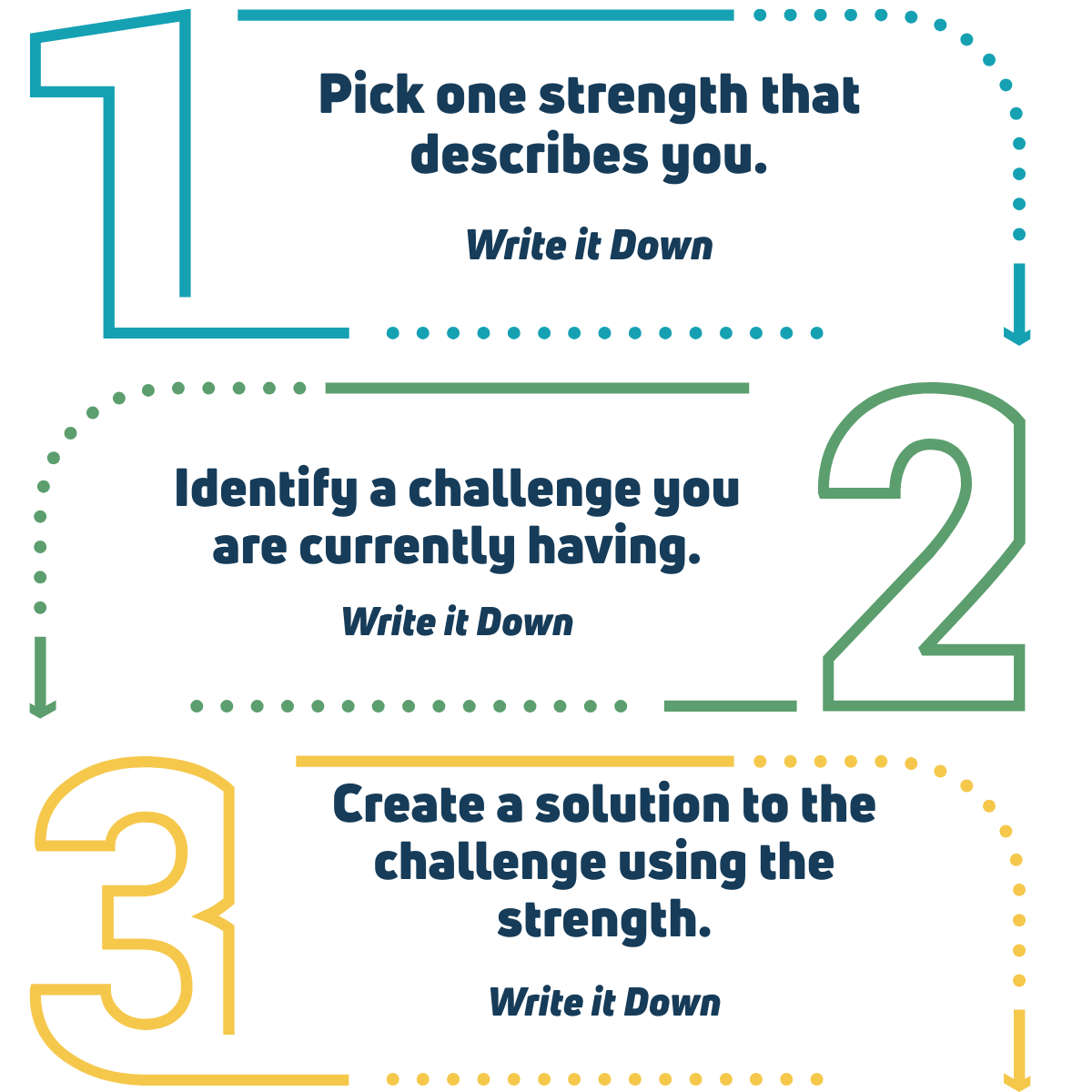
This is exactly what Dave did—and you can too. Here's a simple three-step exercise:
Step 1: Pick one strength from the list above that feels genuinely true to you.
Step 2: Identify one challenge you're facing in your work, relationships, or personal life - nothing dramatic, just something real..
Step 3: Ask: How can I use my strength to address this challenge?
Write it down—or better yet, drop it in the comments if you're reading this on the blog. Other men with ADHD will benefit from your example too.
What I Hope You Take Away
You don't need to become somebody else. You need to become MORE of who you actually are. You’ve already been adapting your whole life. This just helps you do it on purpose.
Resilience, creativity, empathy, and courage—these ADHD strengths are already there. You can build on them instead of constantly looking at yourself through everyone else's deficit lens.
This Isn't Toxic Positivity
Let me be clear: ADHD presents us with real challenges we can't simply ignore. Executive function deficits are real. Time blindness is real. Emotional dysregulation is real.
But focusing exclusively on deficits while ignoring strengths is woefully incomplete. Pretending those don’t exist doesn’t make you resilient. It just makes you tired.
This strengths-based approach is about understanding your unique brain so you can design a life that actually fits it, rather than constantly trying to force yourself into a neurotypical mold.
The Research Behind ADHD Strengths
The six core strengths discussed in this article come from:
Sedgwick, J.A., Merwood, A., & Asherson, P. (2019). The positive aspects of attention deficit hyperactivity disorder: A qualitative investigation of successful adults with ADHD. Attention Deficit and Hyperactivity Disorders, 11, 241–253.
Read the full study
Additional support comes from:
Ready to Leverage Your ADHD Strengths?
If you’re at a point where insight isn’t enough—and you want help translating this strengths-based approach into your actual day-to-day life—I invite you to schedule a free consultation call.
We’ll look at your specific ADHD strengths and challenges, and I’ll help you identify at least one concrete shift you can make right away.
Having ADHD doesn’t mean you're broken—it means your brain is wired differently. That difference includes real strengths worth using.
if you want to see the video related to this post, click here.
About the Author
Peter Gross is an ADHD coach specializing in working with men over 40. Diagnosed with ADHD at age 48, Peter understands firsthand the challenges of late diagnosis and the transformation possible through strengths-based approaches. He helps midlife men with ADHD design lives that actually fit their brains.
Connect with Peter:
-
Website: adhdinmidlife.coach
-
Email: [email protected]
Please stay connected.
Join our mailing list to receive helpful and actionable information on ADHD and coaching.
We hate SPAM. We will never sell your information, for any reason.